
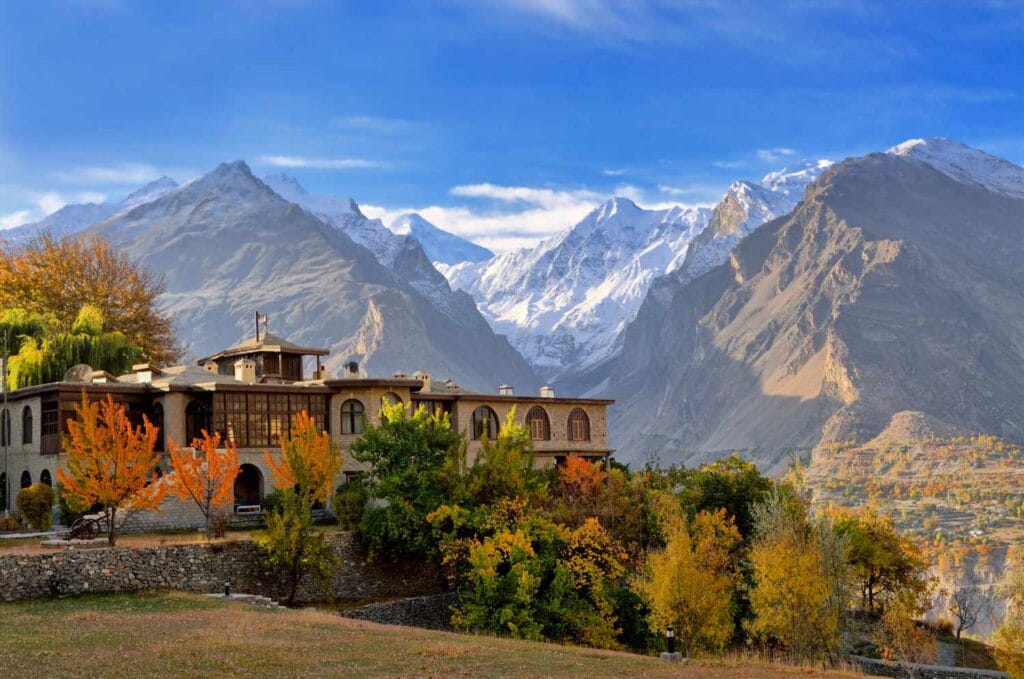
Hunza Valley is one of the most beautiful destinations in northern Pakistan. It is famous for its breathtaking mountains, crystal-clear lakes, historic forts, and peaceful atmosphere. Whether you are a nature lover or an adventure seeker, Hunza offers an unforgettable travel experience.
The Hunza Valley in Gilgit-Baltistan stretches roughly from north of the administrative capital of Gilgit all the way up to the China border. The Hunza River flows through much of the valley, flanked by several high peaks such as Rakaposhi (7,788 m).The valley is roughly divided into the Lower, Central, and Upper Hunza. In addition to the majestic mountains and glaciers, the valley is known for its friendly people, good food and fruits, turquoise lakes, and excellent hiking trails.
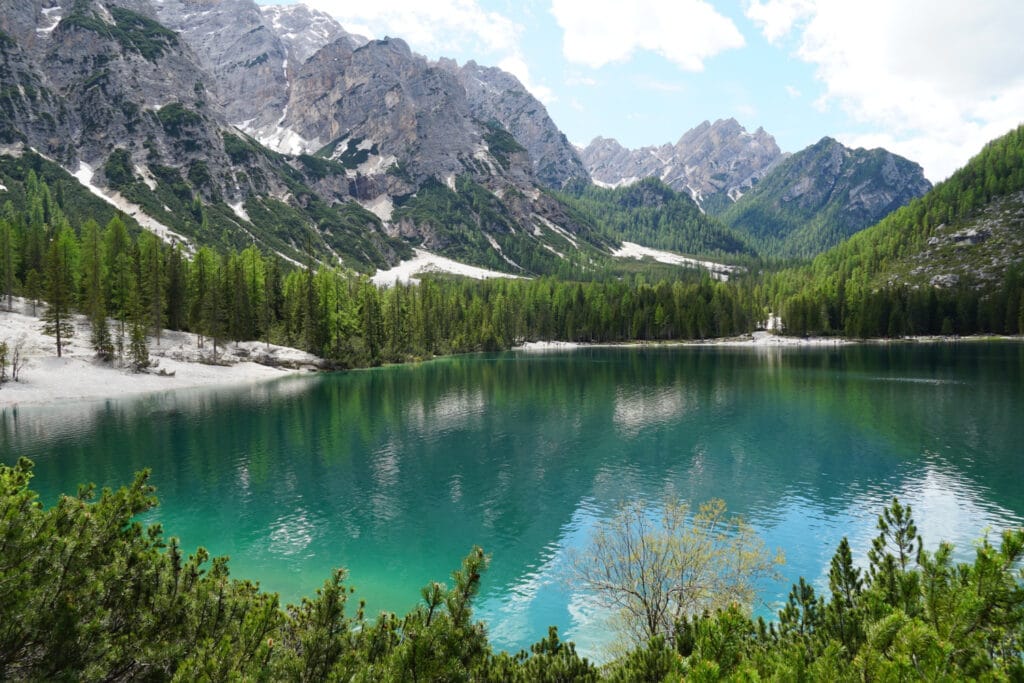
Attabad Lake
Attabad Lake is accessible by road from Hunza Valley. The lake lies about 14 km east of Karimabad in Gilgit-Baltistan. Here’s how visitors can get there:
- Private Tours – Popular among tourists for flexibility and comfortable experience, with drivers familiar with mountain roads.
- By Road from Islamabad – Around 600 km via the Karakoram Highway, passing through Abbottabad, Besham, Chilas, Gilgit, and Karimabad or via Babusar Top road which is accessible from Mid-June to October (travel time: 15–18 hours by road).
- From Gilgit City – Tourists can take direct flight to Gilgit from Islamabad and then have a by road journey towards Attabad Lake. Approximately 2.5 to 3 hours drive (125 km) on the Karakoram Highway.
- Public Transport – Regular buses and vans operate from Gilgit to Hunza, and can also find a local van from Aliabad, Hunza which can drop you near the lake.
Baltit Fort
Baltit Fort opens daily except during Friday prayers. Opening hours are approximately 9am to 5pm in summer, with reduced hours in shoulder season. Confirm current times with your hotel or driver before going, as they adjust seasonally. Admission is charged at the entrance; guided tours are available and genuinely add value, the guides know the dynastic history and the restoration story, both of which enrich the visit considerably. Allow two hours for a thorough visit, one and a half if you are on a tighter schedule.
The fort is a 10-minute walk uphill from Karimabad’s main bazaar on a paved lane. The walk is steep but short. No vehicle access to the fort entrance itself. Wear shoes with some grip: the interior floors are smooth stone, and the ladders to the upper levels are steep and uneven.
Altit Fort
The fort’s most striking feature is its position: it juts out from a cliff edge with a sheer drop of several hundred metres directly to the Hunza River below. The main building is a tower of approximately eleven storeys, with a royal courtyard attached. A watchtower extends furthest over the cliff and gives the most vertiginous views in Hunza, looking straight down to the river, and across the valley to the peaks on the far side.
The views from the watchtower are not like anything else in the valley. At Eagle’s Nest or from Baltit Fort, you are looking across a broad panorama. At Altit’s watchtower, you are looking straight down. The cliff drops away directly beneath you. The Hunza River is a thin line hundreds of metres below. It is the kind of view that takes a moment to fully register.Inside, the rooms are layered across the tower’s height, each with low ceilings and thick stone walls. The royal bedchamber, audience rooms, and storage areas are all preserved and interpreted. The woodwork, carved beams, doorframes, and brackets, is among the finest traditional craftsmanship surviving in Gilgit-Baltistan.
Budget 1.5 to 2 hours for the fort and a proper walk through the old village. If you are walking from Karimabad rather than driving, add the walking time to both ends, total around 2.5 to 3 hours from Karimabad bazaar and back.
Most visitors combine Altit with Baltit Fort in a single morning, with Altit first and Baltit second (or the reverse). This works well. Both forts together take a half-day comfortably, with time left in the afternoon for the Eagle’s Nest at sunset or a walk through Karimabad’s old town. For broader planning, see the full guide to things to do in Hunza and our suggestions on where to stay in Hunza.
Discover beauty and culture of Hunza Valley
“Travel is not just about visiting new places; it is about discovering new perspectives, creating unforgettable memories, and experiencing the beauty that the world has to offer. Every journey teaches us something new and leaves a story behind.”
Eagle’s Nest
Eagle’s Nest is one of the most popular viewpoints in Hunza Valley, located above Karimabad. It offers breathtaking panoramic views of the surrounding mountains, including Rakaposhi, Ultar Sar, Ladyfinger Peak, and the beautiful Hunza Valley. The viewpoint is especially famous for its stunning sunrise and sunset, when the mountain peaks glow with golden colors. Visitors often come here to enjoy the peaceful atmosphere, capture amazing photographs, and experience the natural beauty of northern Pakistan. Eagle’s Nest is a must-visit destination for anyone exploring Hunza Valley because of its unforgettable scenery and relaxing environment.
Conclusion
Hunza Valley is one of Pakistan’s most beautiful travel destinations, offering breathtaking mountains, historic forts, crystal-clear lakes, and unforgettable viewpoints. Whether you love nature, adventure, or cultural experiences, Hunza has something for everyone. A trip to Hunza promises stunning landscapes, peaceful surroundings, and memories that will last a lifetime.
Frequently Asked Questions (FAQ)
Plan Your Hunza Adventure:
Why Visit Hunza Valley?
Traveler Review:

Summary
An unforgettable travel experience with breathtaking views, rich culture, and beautiful places to explore in Hunza Valley.
hi, this is usefull information.
Thank you